Porches · Crawlspaces · Garages · Air intakes
Skunk Smell Removal for Washington Park Homes
Skunk spray is an oily sulfur compound that clings to wood, soil, fabric, and ductwork, and it flares up again every time it gets damp. Getting rid of it means finding where the spray landed and neutralizing it there.
This website is a draft preview. No phone line or request form is connected yet.
Why skunk odor hangs on long after the skunk is gone
Skunk spray is made of thiols, the same family of sulfur compounds that makes natural gas smell, plus related compounds called thioacetates. Thioacetates break down slowly when they get wet, releasing fresh thiols, which is why a skunk smell can seem to come back on a rainy night or after someone mops the floor weeks later.
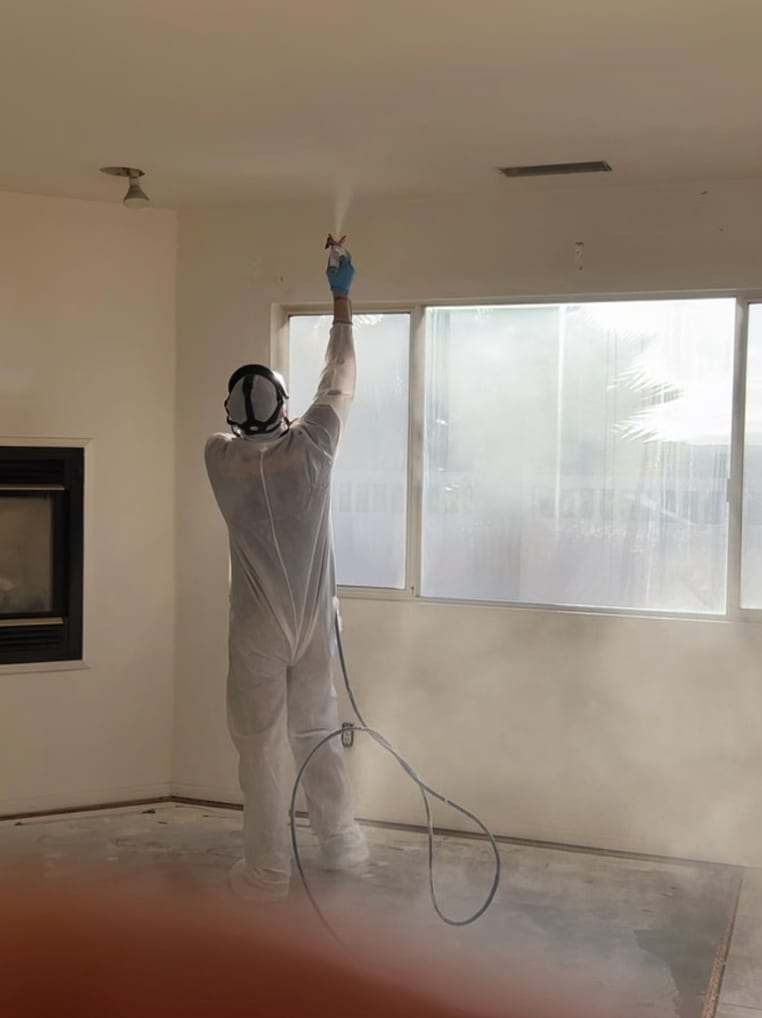
When a skunk sprays under a porch, beneath a deck, in a window well, or near a furnace or air-conditioner intake, the oil soaks into wood, soil, insulation, and fabric. Air fresheners can't touch that residue. Effective treatment usually means locating the contaminated surfaces, treating them with bio-enzymatic neutralizers, and adding a whole-space treatment when the odor has been pulled inside through the air system.
Ask any odor provider whether ozone or masking scents will be used; neither removes the oily residue that causes the smell.
Air fresheners can't touch that residue.
Skunks and older homes around Wash Park
Striped skunks live throughout Denver's established neighborhoods, and the area around Washington Park, with its mature trees, alleys, garages, and porches, offers plenty of places for them to den. Many homes here are bungalows and Denver Squares with crawlspaces, raised porches, and basement window wells, which are exactly the spots where skunk encounters happen.
Older construction also lets odor move easily. Gaps around floor joists, porch framing, and ductwork give skunk odor a path from outside into living space, which is why treatment often has to cover both the exterior spray zone and the interior air.
- This guide covers Wash Park, Platt Park, Bonnie Brae, Belcaro, and Cory-Merrill.
- Removing the animal is a wildlife-control job; Colorado has specific rules for handling skunks because they can carry rabies.
- Most homeowners policies don't cover skunk odor, but policies vary. Check yours if the smell came with other damage.
- Ask whether a provider can schedule treatment after hours or on weekends if that matters to you.
ZIP codes served: 80209 (Denver), 80223 (Denver), 80210 (Denver), 80218 (Denver), 80203 (Denver), 80246 (Denver), 80206 (Denver).
Also nearby: 80222, 80224, 80219, 80204, 80220, 80202, 80205, 80113, 80110, 80230, 80247, 80231.
How skunk odor is usually treated
The goal is to neutralize the oil wherever it landed, so the smell doesn't come back the next time it rains.
-
1
Find the spray zone
The outside and inside of the house are walked to find where the spray hit, including crawlspace vents, window wells, and air intakes.
-
2
Check what absorbed it
The porous materials holding odor are identified: deck boards, soil, insulation, fabric, and ductwork.
-
3
Explain the plan
You should hear what can be treated in place and what, like saturated insulation, may be better removed.
-
4
Neutralize
Bio-enzymatic treatment goes on contaminated surfaces, with a whole-space treatment if the odor reached the living areas or HVAC.
-
5
Confirm and prevent
The result is checked, and openings a wildlife professional should seal are pointed out so it doesn't happen again.
Where the spray actually lands
Skunk odor inside a house almost always has a source outside the room you smell it in. Finding the spot is half the job.
Under the porch or deck
A favorite den spot. Spray soaks into soil and the underside of boards.
Crawl space and foundation vents
Odor drifts straight into the floor system and the rooms above.
Window wells
Spray or a cornered skunk at basement level puts odor right against the house.
Furnace and AC air intakes
Outdoor air intakes can pull odor into the ducts and spread it to every room.
Garage
Open overhead doors at night invite visitors; concrete and stored items hold odor.
Clothing, shoes, car interiors
Anything sprayed directly keeps releasing odor until treated.
What doesn't work (and one thing that's dangerous)
Tomato juice
Masks the smell briefly at best; it doesn't break down the sulfur compounds.
Air fresheners and candles
Add fragrance on top of the odor; it returns when they fade.
Mixing household cleaners
Never mix bleach with ammonia or other cleaners: it creates toxic gas.
Waiting it out
Spray that soaked into soil, wood or fabric can flare up for weeks every time it gets damp.
Common skunk situations around Washington Park
| Situation | What it usually involves |
|---|---|
| Spray under the front porch | A skunk denning under a 1920s bungalow's porch sprays one night, and by morning the odor is in the front rooms and the basement. |
| Window well encounter | A skunk falls into a basement window well and sprays before it's rescued, and the smell seeps into a finished basement bedroom. |
| Drawn in by the furnace | Spray near the side of the house gets pulled into the return air, and the whole house smells every time the heat runs. |
Go deeper on skunk odor
Answers and a toolkit for the spots, the smells and what to ask before anyone treats the house.
- Answers
Each answer here takes one skunk odor problem that shows up in and around older Washington Park houses and works through it: where the spray oil settles, why it lingers or returns, what a homeowner or renter can safely do first, what tends to make things worse, and what to ask anyone hired to treat it..
- Toolkit
These toolkit pages are built to be used, not just read.
- What it looks like
These are illustrative, hypothetical situations, not accounts of real households.
- Nearby
The neighborhoods near Washington Park were built in different eras and in different ways, from Victorian cottages and Denver Squares to curving 1930s streets and postwar brick ranches.
Skunk odor questions
Why does skunk smell come back when it rains?
Skunk spray contains thioacetates, which slowly convert into strong-smelling thiols when they get wet. Damp weather or cleaning with water can reactivate residue that hasn't been neutralized.
Can skunk odor get into my ductwork?
Yes. If spray lands near a furnace intake, a return vent, or a crawlspace connected to the air system, the odor can be drawn through the ducts and spread to every room.
Will tomato juice or vinegar get rid of it?
Those mostly cover the smell for a short time. The oily residue needs to be broken down chemically or enzymatically on the surfaces it soaked into.
Does an odor company remove the skunk too?
Usually not. Trapping or removing skunks is handled by licensed wildlife control operators. Odor treatment comes once the animal is gone.
Is skunk odor dangerous?
The smell is mainly an irritant, though strong exposure can cause watery eyes, nausea, or headaches in some people. Anyone with breathing problems should stay away from heavily affected areas.
Does homeowners insurance cover skunk odor removal?
Usually not, because it's typically treated as an animal or pest issue. Policies vary, so it's worth asking your agent, especially if the odor came with other damage.
Who removes the skunk itself?
Removing or excluding wildlife is a job for a licensed wildlife control operator. Colorado Parks and Wildlife also publishes guidance on living with skunks. Odor treatment deals with what the spray left behind, inside and around the home.
Request a skunk odor visit
This form is not connected. This website is a draft preview: no business has been confirmed to receive requests, so the fields below are switched off and nothing can be sent. In an emergency, call 911.
What to do tonight
- Keep everyone away from the spot where the spray hit, and leave any skunk alone. Skunks can carry rabies.
- Close windows on that side of the house and switch the HVAC fan from on to auto so it isn't pulling the odor through the ducts.
- Bag clothing or fabric that got hit and keep it outside until it can be treated or washed.
- If the animal is still under the house, call a licensed wildlife control company first; odor treatment makes sense only once the animal is out.